Floor and Subfloor Mold Removal in Mid-Wilshire, CA
Floor and subfloor mold removal in Mid-Wilshire starts below the finish. Your assessment should distinguish damaged coverings from structural damage.
- Moisture below flooring checked
- Containment and HEPA filtration
- Cleaning before floor repair
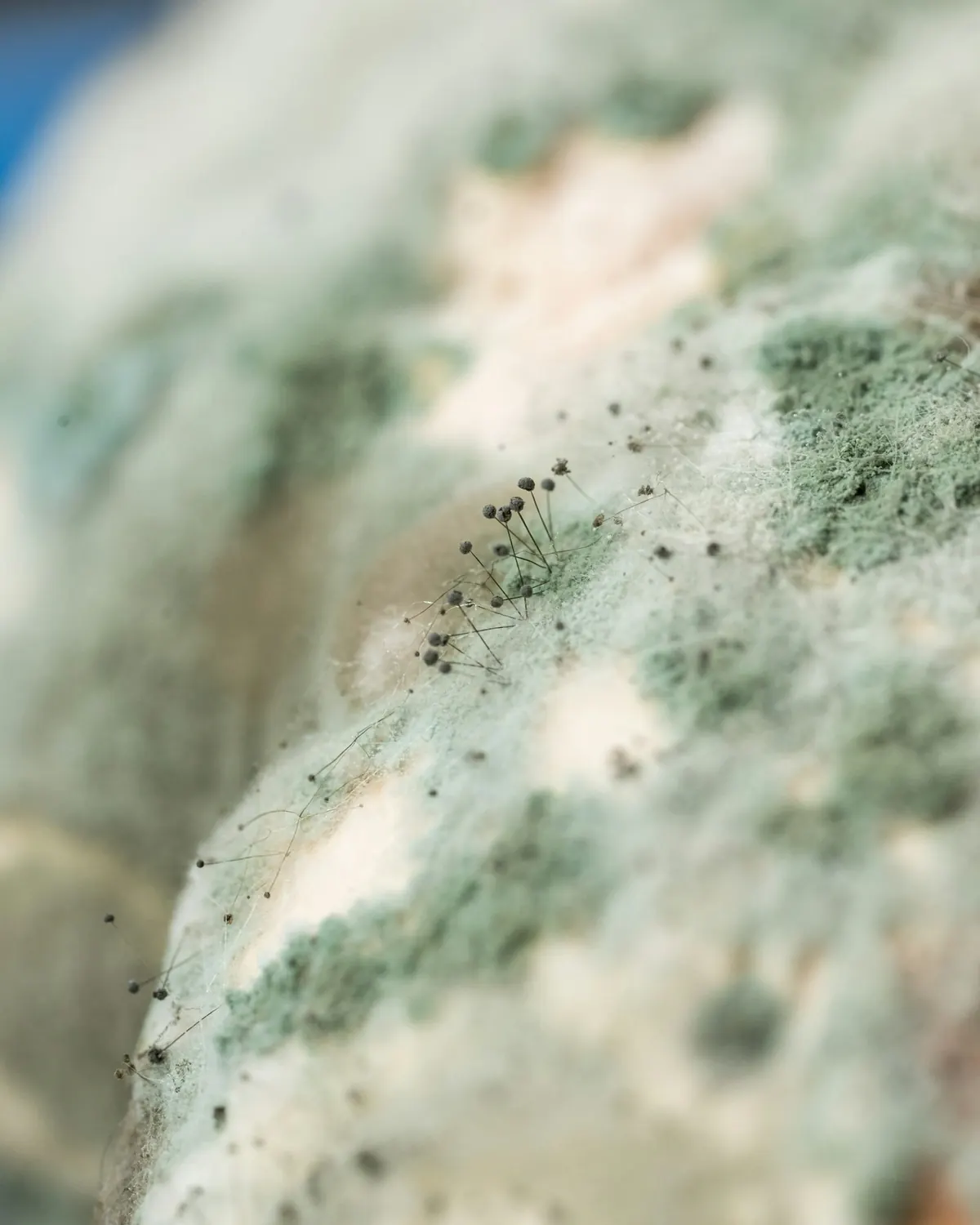
Understanding Subfloor Mold Removal for Your Los Angeles County Property
Specify each part in your scope: the floor covering, its underlayment, the panels beneath and the supporting joists.
A plywood subfloor or OSB subfloor can be affected even when the finish looks intact.
Have the work scope document which layers were inspected, where access was impossible and what area is affected.
- Mold in carpet and padding
- Mold under hardwood floors
- Mold below your vinyl plank flooring or laminate
- Mold affecting an OSB subfloor or plywood
- Growth on floor joists
- Hidden moisture beside pipes or a slab
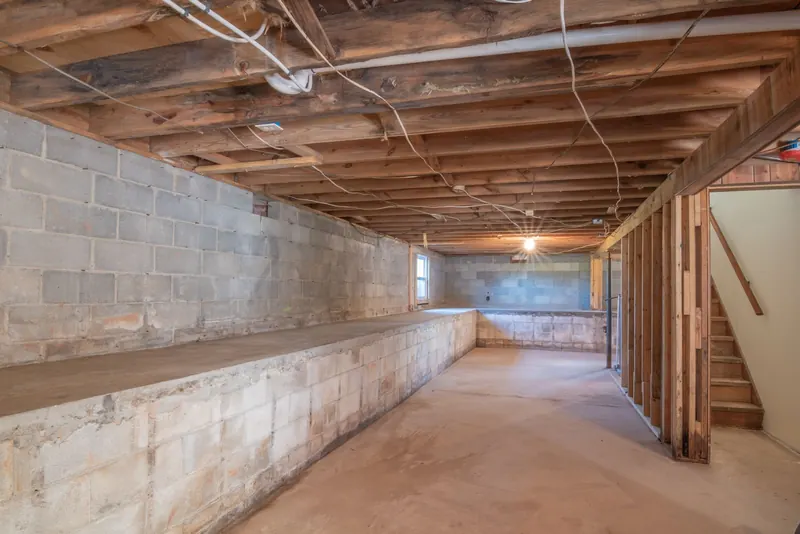
Your Choice of Floor Mold Help in Mid-Wilshire, CA
Flooring Experience
Ask for examples of comparable floor assemblies and how concealed surfaces were assessed.
Responsibility for Each Trade
Identify who checks plumbing, slab moisture or crawl-space conditions before selecting repairs.
Room Access Planning
Ask how access to essential rooms will continue and who relocates appliances and cabinetry.
Changes After Opening
Decide together how to record newly uncovered damage and approve further work.
Recognizing Mold in Flooring in Mid-Wilshire, CA
Floor changes justify investigation but do not confirm hidden mold.
After a Leak: Mold in Carpet
A dry carpet surface can hide padding that remains wet.
Mold Under Laminate Flooring
Edge swelling may indicate that your underlayment and planks took up water.
Mold on Floor Joists
In any lower level, leaking water or humid air can affect your joists.
Mold Under Vinyl Flooring
Loose edges, peeling paint or adhesive can follow water under floor finishes.
First Steps for Mold Under Flooring in Los Angeles County
Arrange to have your floor assessed without disturbing it.
Call (844) 352-3560- Stop active water safely. Keep clear of water near electricity. If you cannot safely shut off the leak, do not attempt to.
- Leave Growth Unsanded and Do Not Dry-Brush. Do not pull up flooring to investigate suspected mold yourself.
- Keep affected HVAC equipment off. Keep potentially contaminated heating or cooling equipment switched off, as EPA advises.
- Keep a clear route. Do not transport carpet or furniture that is affected through other rooms.
- Limit access. Keep the affected flooring off limits to people and pets.
Your Mid-Wilshire, CA Subfloor Mold Removal Cost
These repair ranges are not mold removal prices or amounts to add into a cleanup total.
After mold: the related expense of flooring repair
$200 to $550 per jobSource: Servpro, Mold Remediation Cost (checked 2026-10-23)Repairing or replacing carpet following mold, a related cost
$775 to $2,600 per jobSource: Servpro, Mold Remediation Cost (checked 2026-10-23)Hardwood restoration in a water damage job, related cost
Each square foot costs $10 to $15Source: Fixr, Water Damage Restoration Cost (checked 2026-10-23)Why Subfloor Mold Removal Cost Varies in Mid-Wilshire
- Affected square footage and flooring layers
- Containment and drying equipment
- Access beneath cabinets or partitions
- Depth of growth and removal limits
- Leak repair and flooring replacement
Guides to Related Flooring Repair Costs
The figures are published national cost guide ranges, not results of a property visit. Your property price is set after an on-site assessment and should be explained before work starts.
Ask about cost: (844) 352-3560Your California Insurance Questions About Floor Mold
Have your insurer explain what the water's cause and policy terms mean for this loss.
Sudden Water Damage
Check the mold sublimit, your deductible and any permission needed before removal starts.
Disclosure After Repairs
California's Toxic Mold Protection Act includes a landlord written-disclosure section (Health and Safety Code 26147). By its own wording it applies only after the state adopts mold exposure standards, and the state health department has said it could not set them. Ask what disclosure your property requires for work that has been completed.
Long-Term Floor Moisture
Ask how your policy applies when leaks are gradual or dampness keeps returning.
Rental Floor Damage
Under California's housing law, visible mold found by a health officer or code enforcement officer can make a rental substandard. Renters can contact their local health or code enforcement department to ask for an inspection. Report any leaks, flooring damage and odor to your landlord.
Understanding Subfloor Mold Remediation Steps in Greater Los Angeles
Use your assessment's scope to set cleanup limits and floor openings. Growth can recur unless you fix the source of moisture.
Floor Inspection and Moisture Mapping
A moisture meter informs opening locations. A thermal imaging camera does not identify mold.
Containment Before Opening
During work, mold spores are controlled with help from negative air pressure, a containment barrier and a HEPA air filtration device.
Controlled Flooring Removal
Inside containment, affected layers are exposed by workers in protective equipment, with damaged materials bagged for disposal.
Cleaning Retained Surfaces
HEPA vacuuming and physical removal of mold on surfaces form part of the assessed cleaning method. Spraying alone is insufficient.
Drying the Structure
Air movers and a dehumidifier support drying. Moisture readings are recorded to monitor progress.
Post-Remediation Verification
Final cleaning and agreed checks precede containment removal. Use an independent assessor for any clearance testing you arrange.
Selecting Access to Hidden Floor Layers
Choose access by inspection needs.
| Access option | What to clarify |
|---|---|
| From the room above | Which underlayment and finish layers need to come up for access to affected surfaces? |
| Via a crawl space or basement | Can inspection reach the underside of panels and the joists while avoiding assumptions that top faces are clear? |
| Beyond the first opening | What findings would justify extending removal beneath cabinets or into another room? |
Base expanded removal on the findings.

Discuss Floor and Subfloor Mold Removal in Mid-Wilshire
Call whenever you need. Talk with a floor and subfloor mold removal specialist about what you are seeing and the steps ahead.
Floor Mold Cleanup Risks Across Greater Los Angeles
You may not see the full growth beneath floor layers.
Floor Stability
Do not step onto soft flooring or sagging sections. Have that area assessed structurally before you use the space.
Contaminated Water
Choose a professional experienced in such damage when sewage or contaminated water is involved.
Sensitivity to Mold
According to CDC, some people can experience allergy and asthma symptoms triggered by mold. People with weak immune systems, asthma or lung disease are more at risk.
Can you clean it yourself? According to EPA, homeowners can often clean areas smaller than about 10 square feet. The extent of concealed growth is not determined by that guidance. Larger areas or HVAC involvement call for professional help.
Floor Materials Cleaned or Removed in Los Angeles County
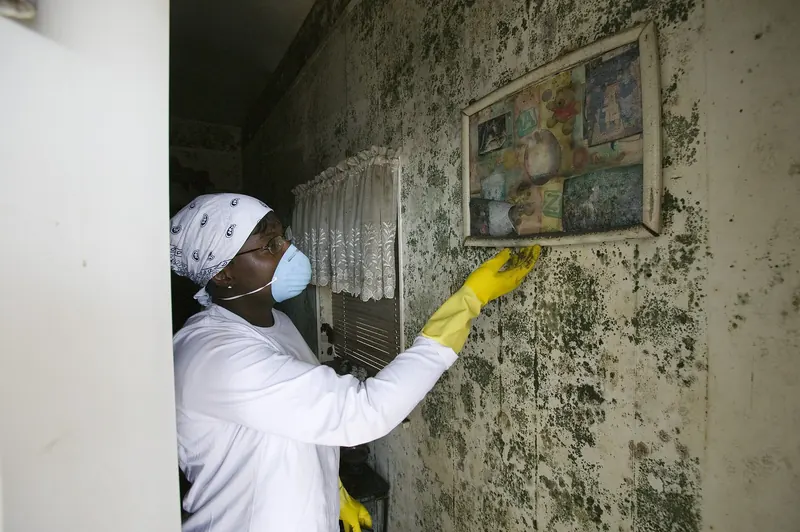
Cleaning and drying may allow you to keep sound framing if its condition and access permit. Wood remains porous despite feeling hard to the touch.
Potentially Retained
- Floor joists in sound condition that cleaning can reach
- Sound wooden panels whose affected surfaces can be reached
- Undamaged tile floor surfaces and a separate backing assessment
Porous Materials Potentially Requiring Removal
- Moldy carpet and carpet padding
- Swollen laminate or fiberboard
- Damaged vinyl backing and underlayment
- Unsound plywood or OSB panels
Separate Repair Decisions
- Subfloor replacement or joist repair
- Replacement flooring and moisture barrier
- Drywall removal or taking off baseboards for access
Understanding Floor Mold Remediation Duration in Los Angeles County
Your timeline depends on coordinating repairs, gaining access and progress with drying.
- Access to concealed layers: Multiple underlayments, glue-fixed finishes and cabinets make floor openings more complicated.
- Drying progress: Moisture readings in retained materials determine when the next stage can proceed.
- Repair coordination: Arrange moisture-source repairs, an assessment of the structure and flooring replacement together.
Post-Cleanup Floor Odor and Humidity
If mustiness returns following cleanup, note its timing and location.
EPA recommends indoor humidity below 60 percent, ideally 30 to 50 percent. Room humidity alone does not establish whether concealed floor layers are dry.

Scope and Repair Planning
Use the full floor and subfloor mold removal guide to prepare questions about the assessment, scope and next steps for your property.
Read the floor and subfloor mold removal guidePlanning Floor and Subfloor Mold Removal in Mid-Wilshire
Local housing figures describe the area, not the condition of your property. Let the assessment findings guide your arrangements for moisture repairs, access and records.
Census ACS 2024 5-year (tables B01003, B25003, B25035, B09021 and B25024). Area estimates do not establish conditions at an individual property.
A mold concern in Mid-Wilshire needs property-level evidence, including dampness, visible damage, and the confirmed water source, rather than assumptions about the whole neighborhood.
In Mid-Wilshire, mold removal starts with finding and fixing the water problem, because cleaning the surface alone will not keep growth from returning.
Local Floor and Subfloor Mold Removal Information for Mid-Wilshire
Ask on the phone about mold cleanup for nearby ZIP codes and communities.
What People Ask About Floor and Subfloor Mold Removal in Mid-Wilshire
Is coating a substitute for cleaning floor joists with mold?
Applying a coating does not take the place of removing growth or repairing unsound wood. If encapsulation is proposed, ask why it is appropriate after cleaning and drying, which surfaces it will cover and how the underlying condition was assessed. Looking different does not, by itself, prove the work has been completed.
Which documents should you save for your California floor claim?
Retain dated pictures and leak history along with insurer communications, your agreed work scope and all approved modifications. Ask for removal boundaries, moisture readings with locations and dates, repair invoices and any independent assessment results. Find out what evidence your insurer requires before disposal of damaged material, keeping the evidence available for requests.
While your floor is being opened, can you keep living at home?
Ask how shared ventilation will be managed, whether the work area can stay separate from your living space, and whether bathrooms and exits will be accessible. Talk through household needs before starting work. Arrangements for staying depend on both the property and scope of work; closing a door alone cannot assure safety.
In Mid-Wilshire, must mold testing come before removing your floor?
EPA notes that sampling is often unnecessary when growth is visible. Ask what decision a test would change before ordering it. Inspection finds moisture and affected materials; sampling analyzes material collected at a specific location and time. Concealed growth under your flooring remains possible even when air sampling returns a negative result.
Is a surface that feels dry ready for new flooring?
Feeling the surface does not settle the decision. Before installation, ask the flooring installer who will document moisture checks and which checks the chosen product requires. Completion of mold cleanup and readiness for a new floor are separate decisions. Never put a new finish over wet materials or active growth.
Will cleanup also restore your floor?
Avoid assuming the work includes rebuilding. Ask whether the agreement covers replacement subfloor panels, underlayment, matching floor finishes and appliance reinstallation, or ends when remediation is complete. Identify who accepts the cleaned area for repair and who is responsible for the finished floor before you approve the work.
Questions About Floor and Subfloor Mold Removal in Los Angeles County?
Calls about floor and subfloor mold removal are answered 24 hours a day, so you can receive clear and practical guidance.