Closet Mold Removal in Mid-Wilshire, CA
Plan closet mold removal in Mid-Wilshire around your walls, shelves and stored belongings. Ask which items need separate cleaning before they return to storage.
- Closet moisture source checked
- Contained removal and HEPA cleaning
- Stored belongings reviewed with you
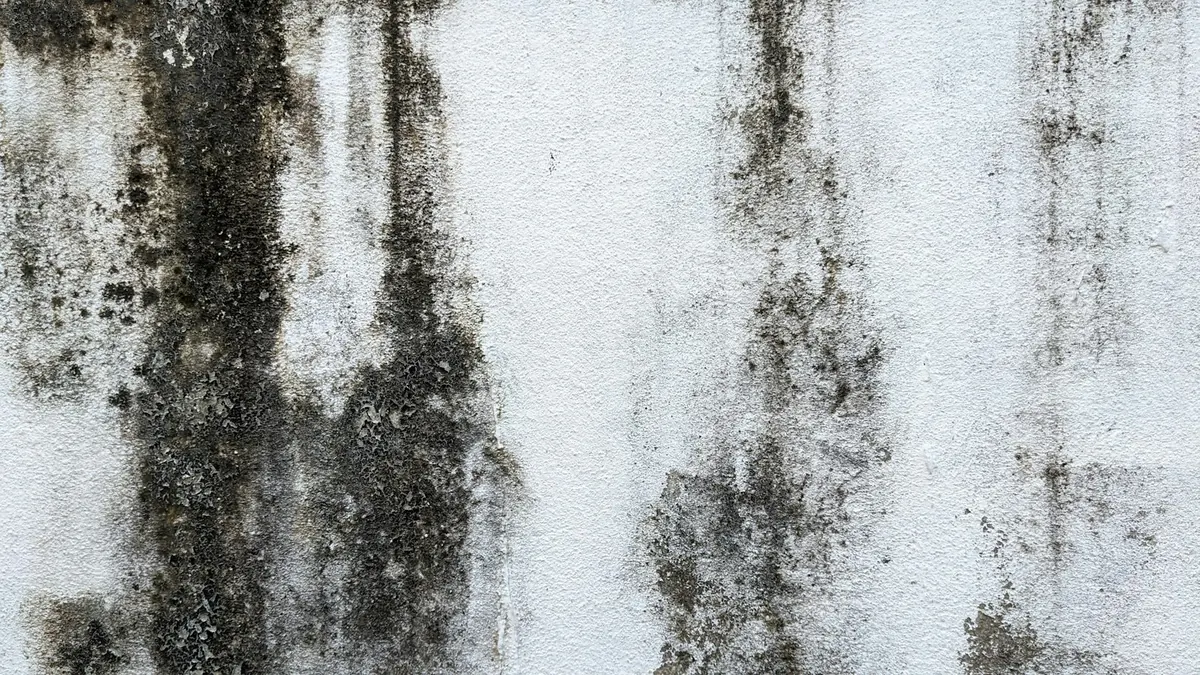
Understanding Mold in a Closet in Los Angeles County
Mold in your closet means moisture reached a surface or stored item. Correct that source or growth can return.
Tell the assessor about items you store in the affected closet. It might be a walk-in, bedroom, utility or linen space.
You cannot establish the cause from growth location alone, though it helps focus inspection. Possible sources include damp contents, leaks and condensation.
- Closet drywall and ceiling
- Shelves and closet baseboard
- Clothes and shoes
- Flooring beneath cardboard boxes
Selecting Help With Your Closet in Mid-Wilshire, CA
Clear Exclusions
Clarify which repairs, storage or cleaning need arrangements of their own.
Approval for Extra Work
Ask how additional work is priced and authorized before it proceeds.
A Named Contact
Establish who will answer when findings shift.
Control Over Disposal
Agree how you will approve disposal of sentimental or valuable belongings.
Closet Conditions to Describe in Mid-Wilshire, CA
Tell the assessor what changed, its location and when you spotted it.
Spots on a Closet Wall
Describe whether peeling paint or spots trace an exterior corner or pipe route.
A Crowded Bedroom Closet
Mention belongings pressed against the wall and dampness behind storage.
Growth on Closet Clothing
Identify the affected fabrics and report any marks on shelving nearby.
Stains Around Closet Shelves
Describe where edges have swollen or fasteners have nearby stains, keeping the unit intact.
Steps Before Cleaning Your Closet in Los Angeles County
Take these precautions while arranging an assessment.
Call (844) 352-3560- Stop water safely. Arrange leak repair. EPA recommends that you prevent mold growth by drying areas and belongings damaged by water within 24 to 48 hours.
- Limit access. Shut the closet and prevent access by children or pets. Avoid dry-brushing growth, scraping or sanding.
- Avoid disturbing clothes. Do not shake moldy clothes. If you need to move belongings, contain them in a closed container or bag.
- Check HVAC involvement. Suspected contamination means you should leave the air handler off. It might scatter mold spores.
- Record the damage. Document the affected surfaces and belongings with photos before cleaning. Document the suspected origin of water and relevant dates.
Closet Mold Removal Cost: What to Expect in Mid-Wilshire, CA
National mold remediation costs offer comparisons, rather than prices specific to closets. Your closet assessment needs to consider damaged belongings and surfaces alongside floor area.
Around 50 square feet affected by mold
$500 to $1,500 per jobSource: Fixr, Mold Remediation Cost (checked 2026-10-23)Professional pricing when affected areas exceed about 10 square feet
Each square foot costs $10 to $30Source: Fixr, Mold Remediation Cost (checked 2026-10-23)Typical national range, average $3,500
$1,500 to $9,000 per jobSource: Fixr, Mold Remediation Cost (checked 2026-10-23)Factors Affecting Your Closet Cleanup Cost
- Built-in shelving removal
- Moisture repairs and rebuilding
- Containment and drying equipment
- Affected square footage and access
- Separate contents cleaning
General Mold Cost Guides: A Starting Point Only
Published national cost guides are the source of these ranges, rather than an inspection of your property. Before work begins, you should get an explanation of the property price determined through an on-site assessment.
Ask about cost: (844) 352-3560Understanding Insurance for Mold in a Closet in California
Check with your insurer about your claim's dependence on policy terms and water origin.
Limits and Deductibles
Find out whether contents have separate coverage and what mold sublimits apply.
Rental Property
Under California's housing law, visible mold found by a health officer or code enforcement officer can make a rental substandard. Renters can contact their local health or code enforcement department to ask for an inspection.
Homeowners Insurance
Clarify the difference between recurring moisture and sudden water damage in your policy terms.
Property Disclosure
California's Toxic Mold Protection Act includes a landlord written-disclosure section (Health and Safety Code 26147). By its own wording it applies only after the state adopts mold exposure standards, and the state health department has said it could not set them.
Steps in Your Closet Cleanup in Mid-Wilshire
Your written scope should record the area and task sequence you agree to.
Assess the Closet
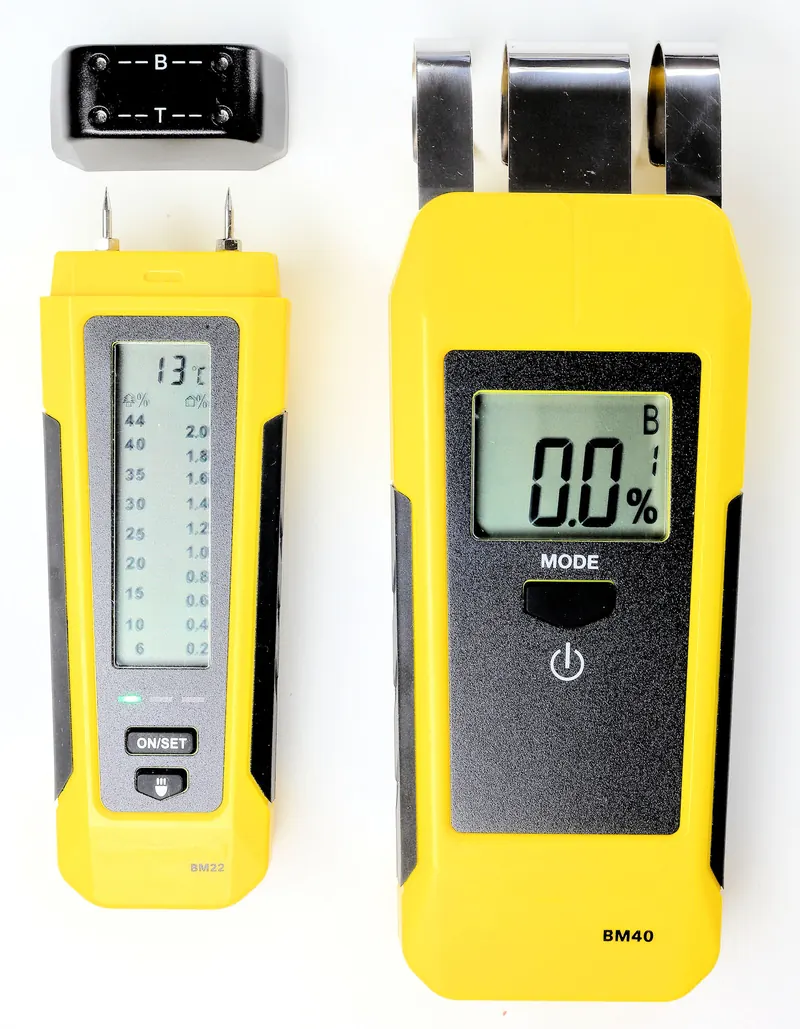
Use a moisture meter for moisture readings. Closer checks can be guided by a thermal imaging camera, but mold identification is beyond the camera.
Separate the Work Area
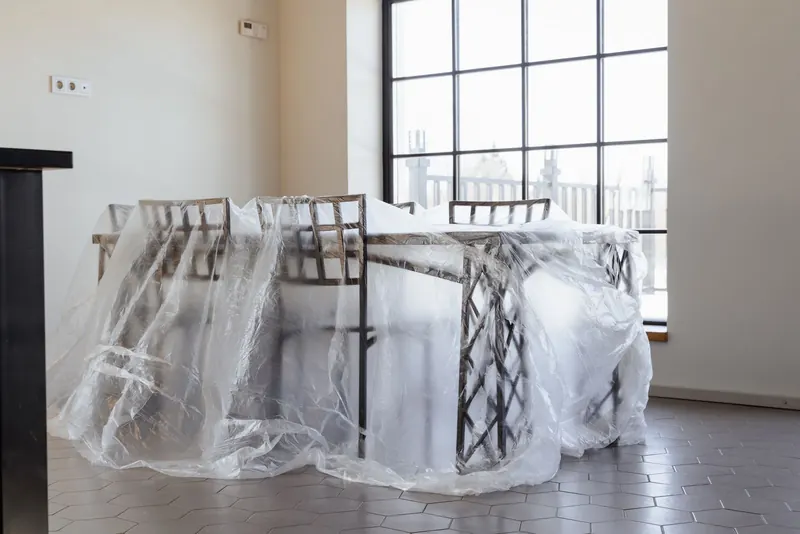
After assessment, your plan might include negative air pressure, a HEPA air filtration device and a poly sheeting containment barrier.
Sort Affected Materials
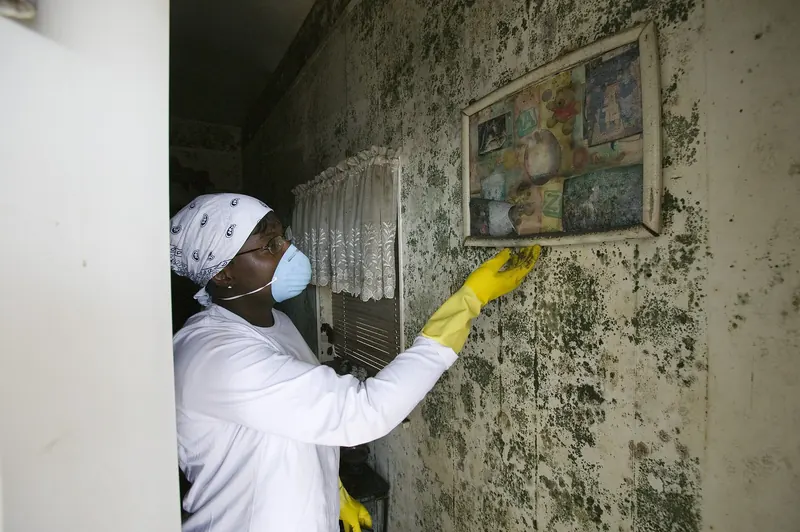
Damaged materials are bagged within containment by workers using protective equipment.
Closet Drywall Removal
Removal limits follow findings behind drywall or built-in shelving, not just visible marks.
Clean Remaining Surfaces
Appropriate methods may include a HEPA vacuum and damp wiping. Cleaning remains necessary despite antimicrobial treatment.
Dry and Verify
Dehumidifiers or air movers aid the drying process. Confirm cleanup completion before dismantling containment. If specified, schedule independent clearance testing ahead of rebuilding.
What to Check Before Returning Closet Belongings
Confirm the handoff before unpacking.
- Establish who will approve putting the closet back into use.
- Separate items already cleaned from belongings not yet assessed.
- Confirm where returning clothes and keepsakes will be stored.
- Allow room beside walls and avoid storing belongings that are damp.

Discuss Closet Mold Removal in Mid-Wilshire
Call any hour. A closet mold removal specialist answers, talks through what you are seeing and explains the next steps.
When to Take Greater Care With Closet Mold in Greater Los Angeles
Cleanup scope depends on more than how large your closet is.
Hidden Closet Damage
Readings reveal hidden moisture rather than identifying mold. Suspected wall cavities need further assessment.
Color Cannot Determine Mold Risk
CDC says mold color does not tell you how risky it is.
People at Greater Risk
For some people, mold may trigger symptoms of allergies and asthma. People whose immune systems are weak, or who have asthma or lung disease, face greater risk.
Can you clean it yourself? EPA says areas under about 10 square feet can often be cleaned by the homeowner. Get professional help for extensive water damage, larger affected areas or HVAC involvement.
Which Materials Can You Retain in Your Los Angeles County Closet?
Porosity is only part of the decision. Have your assessment distinguish these groups, considering condition and cleanability too.
Non-Porous Surfaces and Items
- Metal rods and wire shelving
- Glass and plastic bins
- May remain after appropriate cleaning
Porous Materials in the Closet
- Sound wood framing may be cleaned and dried
- Drywall, carpet or insulation with mold may require removal
- Replacement may be necessary for swollen fiberboard shelving
Belongings Needing Individual Decisions
- Fabrics: care label and condition
- Have leather bags and shoes assessed by a specialist
- Get preservation guidance before discarding papers and photos
Planning Closet Work in Los Angeles County
Ask for a sequence based on your assessment, with updates when concealed damage changes it.
- Access behind built-ins: Shelving may need dismantling before the wall can be assessed.
- Separate contents cleaning: Clothing or keepsakes sent elsewhere may return after building work finishes.
- Repair handoff: Before closing walls, make sure moisture repairs and checks on drying are coordinated.
Musty Smell and Closet Humidity in Greater Los Angeles
Damp materials or growth you cannot see may explain mustiness, but smell alone cannot pinpoint the source. Fragrance is no solution to dampness.
For indoor relative humidity, EPA recommends below 60 percent; the ideal range is 30 to 50 percent. Repair your leaks even if you use a closet door vent or dehumidifier.
Scope and Repair Planning
Use the full closet mold removal guide to prepare questions about the assessment, scope and next steps for your property.
Read the closet mold removal guidePlanning Closet Mold Removal in Mid-Wilshire
Local housing figures describe the area, not the condition of your property. Let the assessment findings guide your arrangements for moisture repairs, access and records.
Census ACS 2024 5-year (tables B01003, B25003, B25035, B09021 and B25024). Area estimates do not establish conditions at an individual property.
A mold concern in Mid-Wilshire needs property-level evidence, including dampness, visible damage, and the confirmed water source, rather than assumptions about the whole neighborhood.
In Mid-Wilshire, mold removal starts with finding and fixing the water problem, because cleaning the surface alone will not keep growth from returning.
Local Closet Mold Removal Information for Mid-Wilshire
You can ask about mold cleanup in nearby communities and ZIP codes during the call.
Frequently Asked Questions About Closet Mold Removal in Mid-Wilshire
How can you plan cleaning for shoes and clothing?
Confirm if contents cleaning falls within the scope or needs separate arrangements. Share care labels, fabric types and details of leather or delicate items with the cleaner. Have each item considered individually before any treatment. Every stored item needs separate assessment; closet cleaning does not ensure all belongings can be saved or returned.
Is testing necessary ahead of closet cleanup in Mid-Wilshire?
When you can see growth, EPA generally considers sampling unnecessary. An inspection can evaluate how far damage extends and the moisture source. Ask what decision a proposed sample would change. There is no federal indoor mold limit, so a sampling result alone cannot establish whether your closet is ready to use.
Is your bedroom usable while work to clean the closet continues?
Ask about separation between your sleeping space and the work area, workers passing through the bedroom and equipment affecting your access. Before starting work, discuss what your household needs. A closed closet door alone is not a basis for deciding whether you can stay in the room.
How should you describe a closet problem to your landlord as a tenant?
Describe the closet location, the problem's first appearance and effects on adjoining rooms in a notice bearing the date. Seek a response along with planned access for an inspection. Keep a copy of the exchange. Ask who will arrange assessment and where belongings should stay while work continues, before you agree to relocate your possessions.
After closet work in California, what should you save?
Keep approved changes and your scope with the item list, repair receipts and decisions about disposal. Ask for records of drying and any independent report verifying the work area. For your insurance claim, clarify any remaining documentation requirements before closure. Save these documents to answer future questions about the repairs.
Does your closet cleanup scope cover new paint, shelves and drywall?
Verify the individual repairs listed in your scope. Rebuilding, painting and putting a closet organizer back are not automatically part of removal and cleaning. Establish who is responsible for measuring replacement shelving and scheduling the work. Assign responsibility for closet finish restoration separately from responsibility for an exterior or plumbing leak repair.
Questions About Closet Mold Removal in Los Angeles County?
For calm and useful guidance about closet mold removal, you can reach someone by phone 24 hours a day.